
How to Stop Losing to MEV: Practical Transaction Simulation and Protection for DeFi Users
Whoa! This whole MEV thing used to feel like a rigged poker game. My gut said "something's off" the first time I watched a swap slip away while gas spiked. Seriously? Yeah. Initially I thought MEV was just a miner trick, but then I realized it's broader, nastier, and honestly cleverer than most people assume — bots, searchers, validators, all competing to slice value out of your trades. I'm biased toward tooling that gives users back control, and that's why transaction simulation matters more than ever.
MEV (maximal extractable value) shows up as frontruns, sandwich attacks, and reorg exploitation. Short version: someone sees your pending transaction and inserts or reorders transactions to profit from the price movement you cause. It's like putting a big sign on your trade saying "follow me." Oof. On one hand, the market needs ordering mechanisms. On the other hand, you shouldn't have to lose a chunk of your position to automated searchers while you sip coffee at your desk — though actually, wait—let me rephrase that: you shouldn't be surprised when it happens.
Transaction simulation is the defensive move. Run the trade against a near-future state and see what could happen. Medium complexity first: a proper simulation replicates mempool conditions, expected block inclusion, and fee dynamics. Longer view: simulation helps you detect slippage risks, sandwich vulnerability, and whether a transaction will revert due to price impact or oracle manipulation — so you can abort, tweak gas, or route differently before committing funds. My instinct said "simulate" long before I could prove it with numbers.
Why most wallets leave you blind (and what to do about it)
A lot of wallets just sign and send. Fast and simple. But that means you get no preview of what searchers might do. That's where transaction simulation tools shine. They let you preview the post-trade state, show potential front/back-run outcomes, and sometimes even provide alternative routing suggestions. Okay, so check this out—some wallets go further and integrate private-relay or bundle submission to bypass the public mempool. That's not a magic bullet, though; bundling can reduce exposure but depends on the relayer ecosystem and ultimately on validator cooperation.
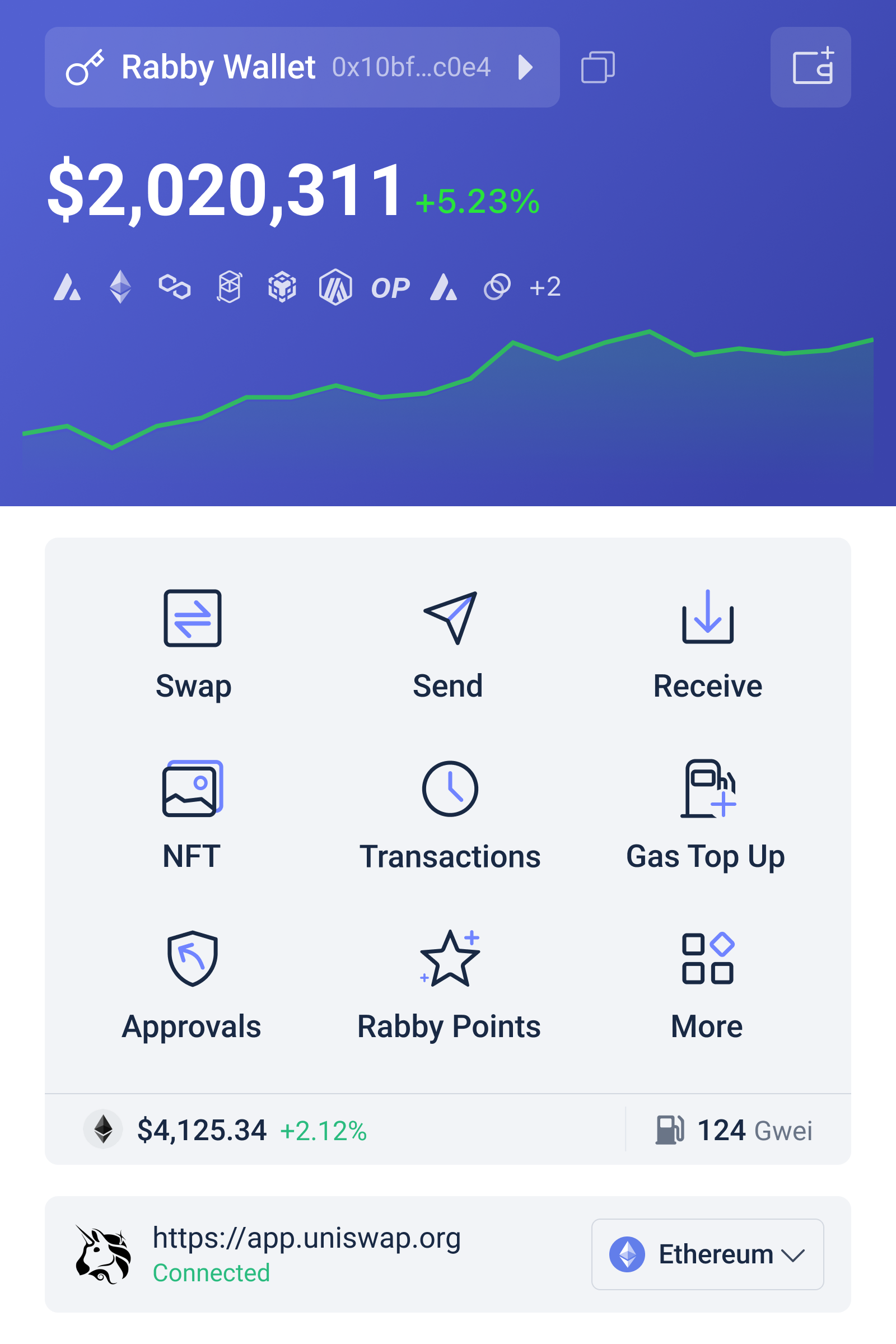
Rabby Wallet has built-in transaction simulation plus UX choices tailored for DeFi users, so it's worth a look when you want stronger protections. I've seen the interface flag trades that are likely to be sandwichable, and it gives you an estimated "what-if" on gas and slippage — things that are very very important when you transact on AMMs. (oh, and by the way... this is not an endorsement of a single tool for every scenario; do your own checks.)
Here's the practical flow I use mentally now. First, simulate the transaction locally or via your wallet's simulation layer. If the sim shows a risky sandwich window or a likely revert, tweak the parameters: lower route slippage, break the trade into smaller swaps, or change your timing. Next, consider private submission or Flashbots bundles for high-value orders. Finally, monitor post-submission — some guards can cancel or replace a pending tx if conditions change. This layered approach reduces exposure more than relying on any single measure.
On a technical note: good simulation needs three inputs — current chain state, mempool snapshot assumptions, and a model of searcher behavior. You can approximate the latter by checking for frequent sandwich patterns on the pair, or by using historical miner/searcher fingerprints. It's not perfect. That uncertainty is why conservative trade settings and human judgment still matter.
How to simulate smarter (tools and tactics)
Short checklist first. Simulate locally. Use a forked chain test. Check slippage sensitivity. Examine gas and pending-fee dynamics. If you're doing big trades, think bundle/private-relay. Simple, right? Well, the devil's in the details.
For builders and advanced users, running a local fork with Hardhat or Anvil and executing eth_call for your transaction will reveal the execution path without broadcasting. For everyday users, a wallet that offers built-in simulation saves friction. Either way, focus on these outputs: whether the tx would revert; how much outcome changes under slight price movement; and whether there are obvious sandwich attack windows. If you see a multi-step swap, simulate the entire route, not just the first hop — because sandwichers do too.
Also, watch gas. Bots will inflate gas to outbid you. Some wallets suggest gas bump strategies or dynamic fees that reduce absorption windows for opportunists. On one hand you can overpay to bypass front-runners, though actually that just burns money and sometimes still fails if the searcher has a better tactic. On the other hand, using relays that accept bundles to be mined directly can be effective for high-stakes trades.
Real UX tips for safer DeFi sessions
Quick practical tips that I and many traders use: never leave huge allowances open; break huge swaps into smaller chunks; pre-simulate at the time near to when you'll send; and prefer private submission for large, sensitive trades. I'm not 100% sure every trader should bundle, but for big AMM orders it's often worth the cost. Also—tiny thing that bugs me—always double-check the destination contract address. This part is basic, but every season, someone learns it the hard way.
For people who value a smoother flow, wallets that surface simulation output and highlight MEV risk make a big difference. They translate abstract risks into concrete signals like "high sandwich risk" or "unlikely to revert," which helps you decide fast, especially when gas and prices move quickly.
Frequently Asked Questions
What exactly is a sandwich attack?
Short answer: an attacker places one transaction before yours and one after, profiting from the price move your trade creates. Medium answer: the front tx moves the price in a way that benefits the attacker's back tx, letting them buy low and sell high around your trade. Longer answer: it exploits predictable slippage on AMMs and visibility of pending transactions in the mempool.
Can simulation guarantee safety?
No. Simulation reduces uncertainty but doesn't eliminate it. It helps you make informed choices. Simulations rely on assumptions about future mempool state and searcher behavior, so they should be one tool among risk controls like smaller sizes, private submission, and conservative slippage settings.
How does a wallet help me with these problems?
A good wallet surfaces simulation results, suggests safer parameters, and sometimes integrates relays or bundles to avoid the public mempool. For example, rabby wallet provides transaction previews and warnings that can be useful for DeFi users who want more control over execution risks.
I'll be honest: no single trick ends MEV forever. On one hand, better tooling and private relays help a lot. On the other hand, as long as value exists in ordering, someone will try to extract it. The best approach is pragmatic layering — simulate, adjust, submit privately if needed, and keep trade sizes and allowances sensible. My instinct still says that more transparent tooling will shift power back to users over time. I hope that's true.
So next time before you hit "confirm," pause for a sim. It takes a minute and can save you a chunk of capital. Something as simple as a quick preview can change your whole outcome — and honestly, that's the low-hanging fruit of responsible DeFi use. Go into trades with eyes open, and you'll sleep better at night — even if the market keeps being clever.