
Phantom Wallet: My Honest Take on the Solana Browser Extension
Whoa!
Okay, so check this out—I've been messing with Solana wallets for a few years. My instinct said Phantom would be smooth. Seriously? It mostly is. Initially I thought browser wallets all felt the same, but Phantom surprised me in ways I didn't expect, both good and annoying.
Short version: Phantom is a solid Solana wallet extension for everyday DeFi and NFTs. It installs in seconds. It connects to most dApps without fuss. But there are caveats, and some UX bits still bug me—little things that add up when you use the wallet every day.
Here's the thing. The extension model itself is both useful and fragile. A browser extension gives quick access to funds and dApp interactions, which is great. On the other hand, extensions live in an environment where a single phishy page or a clipped-permission prompt can cause trouble, so you gotta be mindful. My gut told me that convenience would trade off with risk, and that intuition mostly held up.
I installed the phantom wallet to test recent updates. The setup flow was straightforward. You create a seed phrase, confirm it, and then you're in. The recovery phrase step felt a bit long-winded though—probably by design. I'm biased, but I prefer when wallets give a clearer risk breakdown during generation; Phantom assumes most users get it, which they don't always.
Why people choose Phantom (and why they stick with it)
Fast transactions are the obvious draw. Solana's low fees and high throughput pair well with a nimble extension. Phantom leverages that; sending tokens feels instantaneous. Medium-sized DeFi swaps work smoothly. NFTs load fast and previews show up right in the extension. On one hand, you get a polished, nearly-native feel. Though actually, when congestion spikes, things still slow down—it's not magic.
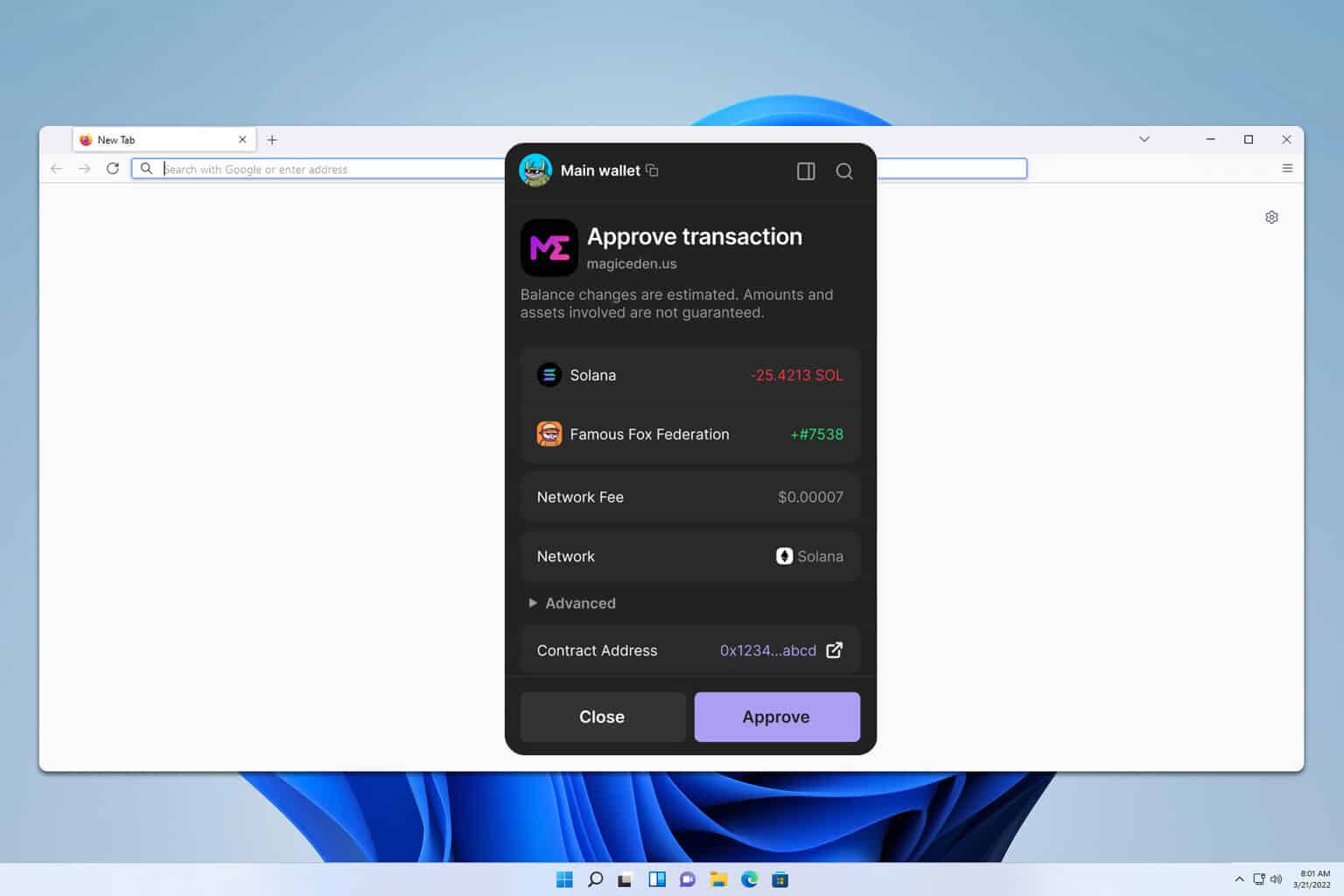
Security features are good, but not foolproof. Phantom stores the private key locally, encrypted by your password. That's standard. The extension prompts for permissions when a site connects. My honest reaction: the prompts are clear enough, yet some novice users will accept everything without scanning. Something felt off about that during my usability tests—people click okay too fast, very very fast. So practice good habits: lock the extension, double-check URLs, and never paste your seed phrase into a website.
I'll be honest—there's also an ecosystem play. Phantom integrates with NFTs marketplaces, token swaps (Raydium, Jupiter), and staking. That matters. Once apps integrate, the convenience becomes sticky. (Oh, and by the way—Phantom's built-in token swap is handy, but advanced traders still prefer dedicated DEX interfaces.)
Deeper thoughts — UX, privacy, and the small things
Initially I thought the UI was near-perfect. Then I spent a week doing repetitive flows. Actually, wait—let me rephrase that: the UI is very good for first-time tasks, and then certain edges feel clunky. For example, network switching is basic because Solana mostly runs on one mainnet, but custom RPC handling and devnet interactions are a little buried. If you're a dev or power user, you'll hunt for options.
Transaction history is another mixed bag. Phantom shows recent activity and links to explorers, but it doesn't always tag what each TX did in plain English. A swap shows up as a transfer sometimes, and that forces you to jump to explorer pages to confirm. Not ideal. My workflow often ended with two or three tabs open—one for the app, one for Phantom, and one for the explorer. Annoying, but workable.
Privacy. Hmm... Phantom doesn't send your seed anywhere, yet browser fingerprinting remains a consideration. Your extension and dApp usage patterns could leak metadata. So yeah, use standard privacy hygiene: limit extensions, use separate browser profiles, or a dedicated wallet browser session if you care about linking addresses to your identity.
When Phantom isn't enough
For high-value cold storage, Phantom as a sole solution is not the answer. Period. Use hardware wallets for sizeable holdings. Phantom does support hardware wallet connections (Ledger), which is great because then you get convenience plus an air-gapped private key. That combo is what I'd call practical for real users.
Also, if you're a heavy DeFi strategist doing many cross-chain operations, you might hit friction. Phantom is Solana-first. Bridges exist, but cross-chain flows are inherently complex and sometimes require other tools. So Phantom is a piece of the puzzle, not the whole kit.
Real-world tips from daily use
Keep your recovery phrase offline. Seriously. Write it down. Put it somewhere safe. Sounds basic, I know. But I watched someone store theirs in an email draft. Yikes.
Set a spending profile. I keep a small, daily-use wallet funded for dApp interactions, and another cold wallet for larger amounts. This separation reduces stress. Also, customize token list visibility so you don't get overwhelmed by dust tokens.
Use Ledger with Phantom. It adds a small step but vastly improves security. If you're not comfortable with command-line tools, this is the straightforward upgrade path.
FAQ — quick answers
Is Phantom safe?
Relatively, yes. It’s as safe as most browser extensions that store keys locally. Use a strong password, enable hardware wallet integration for large balances, and be cautious with dApp permissions. My instinct said extra caution early on, and that advice holds.
Can I use Phantom for DeFi on Solana?
Absolutely. It's designed for that. You can swap tokens, stake SOL, and interact with NFT marketplaces. For advanced strategies, pair it with dedicated dApps. On one hand it does most tasks; on the other hand, some flows are smoother in specialized UIs.
What if I lose my seed phrase?
Then recovery is basically impossible. That's by design. Phantom can't restore your account without the phrase. So treat it like cash—protect it. I'm not 100% sure how many users truly understand that, but many don't, which is worrying.
Wrapping up with a human note: I like Phantom. It feels polished and continues to improve. It isn't flawless. It nudges you toward convenience, and that nudging can be both helpful and dangerous. Use it daily, but with some guardrails—hardware wallets for big sums, safe habits, and a little paranoia (the healthy kind). Somethin' about owning your keys still feels powerful, and Phantom makes that power accessible without turning your head into a tech manual.